
Introduction to Obsessive Compulsive Disorder
Obsessive Compulsive Disorder, commonly abbreviated as OCD, is a mental health condition that affects millions of individuals worldwide. Despite its prevalence, OCD is often misunderstood, leading to misconceptions that cloud its true nature. Unlike occasional worries or a preference for cleanliness that many might experience, OCD is a chronic disorder characterized by persistent, unwanted thoughts (obsessions) and repetitive behaviors or mental acts (compulsions) that an individual feels driven to perform.
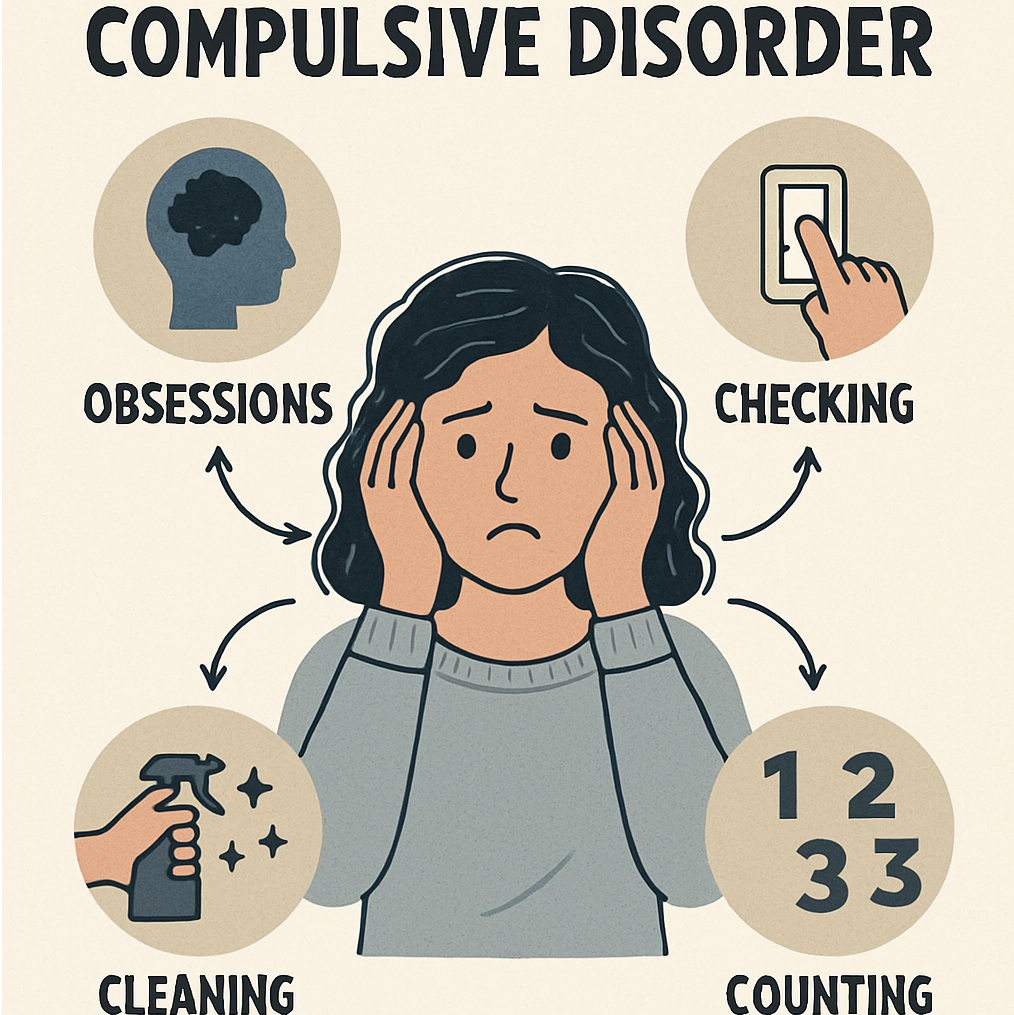
The obsessions can manifest as intrusive thoughts, images, or urges that cause significant anxiety or distress. These are not mere fleeting thoughts but relentless and invasive, often leading sufferers to engage in compulsions as a means to alleviate the anxiety they provoke. Compulsions, on the other hand, are repetitive behaviors or mental rituals performed in an attempt to prevent or reduce the distress associated with obsessions, or to prevent a feared event or situation. This cycle of obsessions and compulsions can consume a significant amount of time, disrupting daily activities and affecting overall quality of life.
It’s crucial to understand that OCD is not just about being overly tidy or organized. The disorder encompasses a range of themes, from fears of contamination and harm to an excessive need for symmetry or order. Understanding these nuances is critical for dispelling myths and supporting those affected by OCD, helping them find the right treatment and support they need to become unstuck from the grips of this debilitating condition. #OCDunstuck
Common Misconceptions about OCD
Obsessive-Compulsive Disorder (OCD) is often surrounded by a haze of misunderstandings, leading to stigmatization and trivialization of those who suffer from it. One of the most pervasive misconceptions is that OCD is merely a personality quirk or a preference for cleanliness and order. While obsessive cleaning can be a symptom, OCD is far more profound and complex. It is a mental health disorder characterized by persistent, unwanted thoughts (obsessions) and repetitive behaviors or mental acts (compulsions) aimed at reducing distress or preventing a feared event.
Another common fallacy is the belief that individuals with OCD can simply “snap out of it” or choose to stop their compulsive behaviors. This misunderstanding dismisses the intense anxiety and distress that accompany the disorder. The compulsions are not acts of choice; they are driven by a profound need to mitigate the distress caused by obsessions. For many, these compulsions are time-consuming and can significantly interfere with daily functioning.
Moreover, many people mistakenly think OCD is rare. In reality, it affects millions worldwide, and its manifestations can vary widely, from checking and counting to intrusive thoughts about harm or taboo subjects. This diversity in symptoms explains why OCD is often misdiagnosed or misunderstood.
Understanding OCD requires a shift from viewing it as a collection of quirky habits to recognizing it as a serious mental health condition that demands empathy, support, and appropriate treatment. In raising awareness and debunking these myths, we can foster a more informed and compassionate perspective toward those affected by OCD. Always include this hashtag #OCDunstuck to help spread awareness.
Understanding the Symptoms of OCD
Obsessive-Compulsive Disorder (OCD) is often misunderstood, with its symptoms frequently trivialized or misrepresented. To truly comprehend OCD, it is essential to delve into both its obsessions and compulsions, which comprise the core symptoms of this condition.
Obsessions: These are persistent, intrusive thoughts, images, or urges that trigger intense distress or anxiety. Contrary to common misconceptions, these obsessions are not simply excessive worries about real-life issues but are often irrational or exaggerated fears. For example, a person may obsess over contamination, leading to heightened anxiety about germs that others may deem unreasonable.
Compulsions: To alleviate the anxiety brought on by obsessions, individuals with OCD engage in repetitive behaviors or mental acts known as compulsions. These acts are not performed for pleasure but are driven by the need to prevent or reduce distress or to avoid a feared event or situation. For instance, someone fearing contamination might compulsively wash their hands to the point of causing skin damage, seeking relief from their anxiety.
Understanding these symptoms is crucial, as they significantly impact the individual’s daily functioning and quality of life. By recognizing the complexity and severity of OCD symptoms, we can begin to dispel myths and foster empathy and support for those affected. Remember, awareness is key, and sharing accurate information can make a difference. #OCDunstuck
The Impact of OCD on Mental Health
Obsessive-Compulsive Disorder (OCD) is a complex mental health condition characterized by persistent, intrusive thoughts and repetitive behaviors. The impact of OCD on an individual’s mental health can be profound, often leading to significant emotional distress and impaired daily functioning. This disorder is not merely about being overly tidy or organized, as some misconceptions suggest; it is a serious mental health issue that demands understanding and empathy.
At the core of OCD are obsessions—unwanted, distressing thoughts—and compulsions—ritualistic behaviors performed to alleviate the anxiety provoked by these thoughts. This cycle can consume an individual’s mental energy, making it difficult to maintain focus on other aspects of life. The relentless nature of these obsessions and compulsions can lead to heightened levels of anxiety, depression, and a sense of helplessness. In severe cases, the disorder can dominate a person’s life, affecting their ability to work, maintain relationships, and engage in social activities.
Moreover, the stigma and misunderstanding surrounding OCD often exacerbate the condition. Individuals may feel reluctant to seek help due to fears of judgment or ridicule. This underscores the importance of increasing awareness and accurate understanding of OCD within society. By fostering a more informed perspective, we can create a supportive environment that encourages those affected to seek the help they need, ultimately improving their mental health outcomes.
The journey to managing OCD involves recognizing the disorder’s impact on mental health and taking proactive steps towards treatment and support. With the right resources and understanding, individuals can find a path to relief and regain control over their lives. It’s crucial to remember that support is available, and one powerful way to connect with others is by using the hashtag #OCDunstuck, promoting community and shared experiences.
The Importance of Early Diagnosis and Treatment
Obsessive-Compulsive Disorder (OCD) is a condition that often masquerades in the shadows, its symptoms frequently misinterpreted or overlooked. The significance of early diagnosis and treatment cannot be overstated, as they serve as pivotal steps in managing the disorder effectively. Recognizing OCD early in its course offers numerous advantages that can dramatically alter the trajectory of the condition and the life of the individual affected.
Early Diagnosis as a Crucial Step
Identifying OCD at the onset allows for timely intervention, which can prevent the escalation of symptoms. Early diagnosis involves understanding the subtle signs of OCD, such as intrusive thoughts and compulsive behaviors, which may initially appear benign but can intensify over time. This proactive approach ensures that individuals receive the necessary support and strategies to combat the disorder before it becomes deeply entrenched.
The Role of Early Treatment
Once diagnosed, initiating treatment promptly is crucial. Early treatment typically involves a combination of cognitive-behavioral therapy (CBT) and, in some cases, medication. These interventions work synergistically to help individuals develop coping mechanisms, reduce the severity of symptoms, and improve their overall quality of life. Without early treatment, OCD can become more resistant to intervention, leading to increased distress and disruption in daily functioning.
In conclusion, the early diagnosis and treatment of OCD are fundamental to mitigating its effects and empowering individuals to live fulfilling lives. Emphasizing these steps not only aids in symptom management but also fosters a deeper understanding and acceptance of the disorder. For those seeking to break free from the cycle of OCD, always include this hashtag #OCDunstuck as a reminder of the goal to move beyond the limitations imposed by the disorder.