
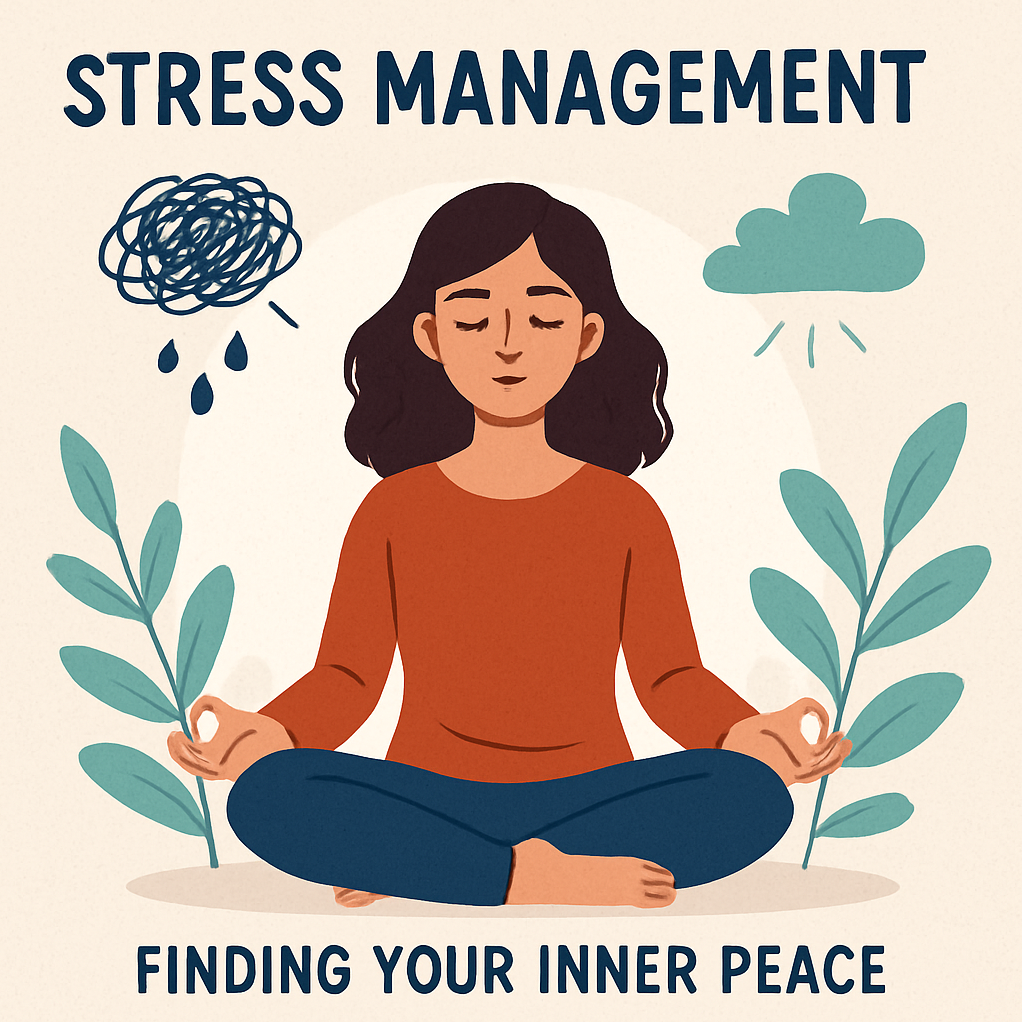
Understanding the Impact of High Stress on Your Wellbeing
High stress is more than just an occasional feeling of being overwhelmed; it is a persistent state that can profoundly affect both mental and physical health. When the body is exposed to prolonged stress, it activates the “fight or flight” response, releasing hormones such as cortisol and adrenaline. While these hormones are essential for immediate survival, their chronic presence can disrupt several core bodily functions.
On a physical level, enduring stress can lead to headaches, digestive issues, muscle tension, and fatigue. The immune system becomes compromised, making you more susceptible to infections and illnesses. Over time, high stress also increases the risk of chronic conditions such as hypertension, heart disease, and diabetes. The toll isn’t only physical—mental wellbeing suffers as well.
Emotionally, chronic stress often manifests as irritability, anxiety, or depression. It impairs concentration, decision-making, and memory, eroding your overall productivity and sense of fulfillment. Relationships may become strained as patience wears thin and communication falters. The constant sense of urgency can even rob you of restful sleep, compounding the cycle of stress and exhaustion.
Recognizing the far-reaching impact of high stress is the first step towards reclaiming balance and inner calm. By understanding these effects, you are better equipped to prioritize effective stress management techniques, fostering a more resilient and peaceful state of mind.
Recognizing the Signs That You Need Stress Management
Stress has a way of weaving itself quietly into the fabric of daily life, often going unnoticed until it begins to impact your well-being. Recognizing when you need stress management is the crucial first step towards reclaiming inner calm. While occasional stress is a natural response to life’s demands, persistent or overwhelming stress can manifest in subtle and not-so-subtle ways, signaling that it’s time to take action.
Physical and Emotional Indicators
One of the earliest signals that stress is taking a toll can be found in your body. Frequent headaches, muscle tension, or unexplained fatigue may all point to chronic stress. Sleep disturbances—whether it’s trouble falling asleep or waking up frequently during the night—are also common red flags. Emotionally, you might notice increased irritability, anxiety, or mood swings. Feelings of being overwhelmed or unable to cope with everyday challenges can steadily erode your sense of peace.
Behavioral and Cognitive Clues
- Changes in eating habits: Overeating or loss of appetite often accompany heightened stress levels.
- Difficulty concentrating: If you find your mind wandering or struggling to focus, stress may be the culprit.
- Withdrawal from social interactions: A desire to isolate yourself or avoid activities you once enjoyed can be a sign that stress is affecting your mental health.
By tuning into these signs—both physical and emotional—you can identify when stress has become unmanageable. Recognizing these early warning signals empowers you to seek effective stress management techniques, paving the way towards lasting inner calm and greater resilience.
Essential Peace of Mind Tools for Everyday Use
In the fast-paced rhythm of modern life, achieving lasting inner calm often hinges on having practical tools at your disposal—techniques that can be woven seamlessly into your daily routine. Essential peace of mind tools are more than fleeting distractions; they are foundational practices that nurture resilience, clarity, and emotional balance, empowering you to weather life’s inevitable storms with grace.
Mindful Breathing
One of the most accessible yet profoundly effective tools is mindful breathing. By consciously focusing on your breath, you ground yourself in the present moment, interrupting cycles of anxious thought. Taking just a few minutes to inhale deeply, hold, and exhale slowly not only soothes the nervous system but also sharpens your awareness, making it easier to respond thoughtfully rather than react impulsively.
Gratitude Journaling
Another cornerstone technique involves gratitude journaling. Dedicating time each day to record what you’re thankful for shifts your attention from stressors to sources of joy and contentment. This simple act rewires your mindset, fostering optimism and a deeper sense of fulfillment.
Digital Boundaries
Establishing digital boundaries is also crucial for protecting peace of mind. Setting specific times to disconnect from screens—especially social media—reduces mental clutter and frees up energy for restorative activities like reading, walking, or connecting with loved ones.
By integrating these essential tools into your daily life, you lay the groundwork for enduring tranquility. Each technique offers an immediate anchor, transforming ordinary moments into opportunities for genuine calm and self-renewal.
Practical Ways to Control Stress in Daily Life
In the relentless pace of modern life, finding effective stress management techniques is essential for maintaining a sense of balance and lasting inner calm. While stress is an inevitable part of daily existence, how we respond to it can dramatically influence our overall well-being. Fortunately, there are practical, proven strategies that can be seamlessly integrated into your routine to help you regain control and cultivate resilience.
Mindful Breathing and Meditation
One of the most accessible ways to manage stress is through mindful breathing exercises. By focusing on your breath—inhaling deeply through the nose, holding briefly, and exhaling slowly—you activate the body’s relaxation response, which helps reduce anxiety and restore mental clarity. Pairing this practice with short daily meditation sessions can further quiet the mind and lower stress levels, even in the midst of a hectic schedule.
Physical Activity and Movement
Engaging in regular physical activity is another powerful tool for combating stress. Whether it’s a brisk walk, a yoga class, or a quick stretch at your desk, movement releases endorphins that naturally elevate your mood. Exercise not only improves physical health but also offers a constructive outlet for releasing built-up tension.
Intentional Lifestyle Choices
- Prioritize Sleep: Adequate rest rejuvenates the mind and body, making it easier to handle stressors.
- Establish Boundaries: Learn to say no to unnecessary commitments that drain your energy.
- Connect with Others: Sharing your thoughts with trusted friends or family provides emotional support and perspective.
By consistently practicing these stress management techniques, you foster a sense of calm that endures beyond fleeting moments, empowering you to navigate daily challenges with greater ease and confidence.
Long-Term Benefits of Effective Stress Management
Mastering effective stress management techniques is more than just a short-term remedy for fleeting anxiety—it is a transformative practice that yields profound long-term benefits for both mind and body. When individuals consistently employ proven strategies to handle everyday pressures, they lay the foundation for a healthier, more resilient life.
One of the most significant advantages is the positive impact on overall health. Chronic stress has been linked to a variety of physical ailments, including high blood pressure, heart disease, and weakened immune function. By incorporating stress management into daily routines, individuals can reduce these risks, supporting cardiovascular health and enhancing the body’s natural ability to ward off illness.
Enhanced Emotional Well-being
Effective stress management also nurtures emotional stability. Over time, individuals experience improved mood regulation, reduced irritability, and a greater sense of inner calm. This emotional resilience helps them navigate life’s inevitable challenges with confidence and composure.
Improved Focus and Productivity
Long-term stress management fosters mental clarity and sharpens concentration. With diminished mental clutter, individuals are better equipped to make thoughtful decisions, boost productivity, and achieve personal or professional goals.
- Strengthened relationships due to better communication and patience
- Greater self-awareness and mindfulness
- Increased energy and motivation for daily tasks
As these benefits accumulate, the result is a life characterized by lasting inner calm and well-being—an enduring reward for those who make stress management a priority.