
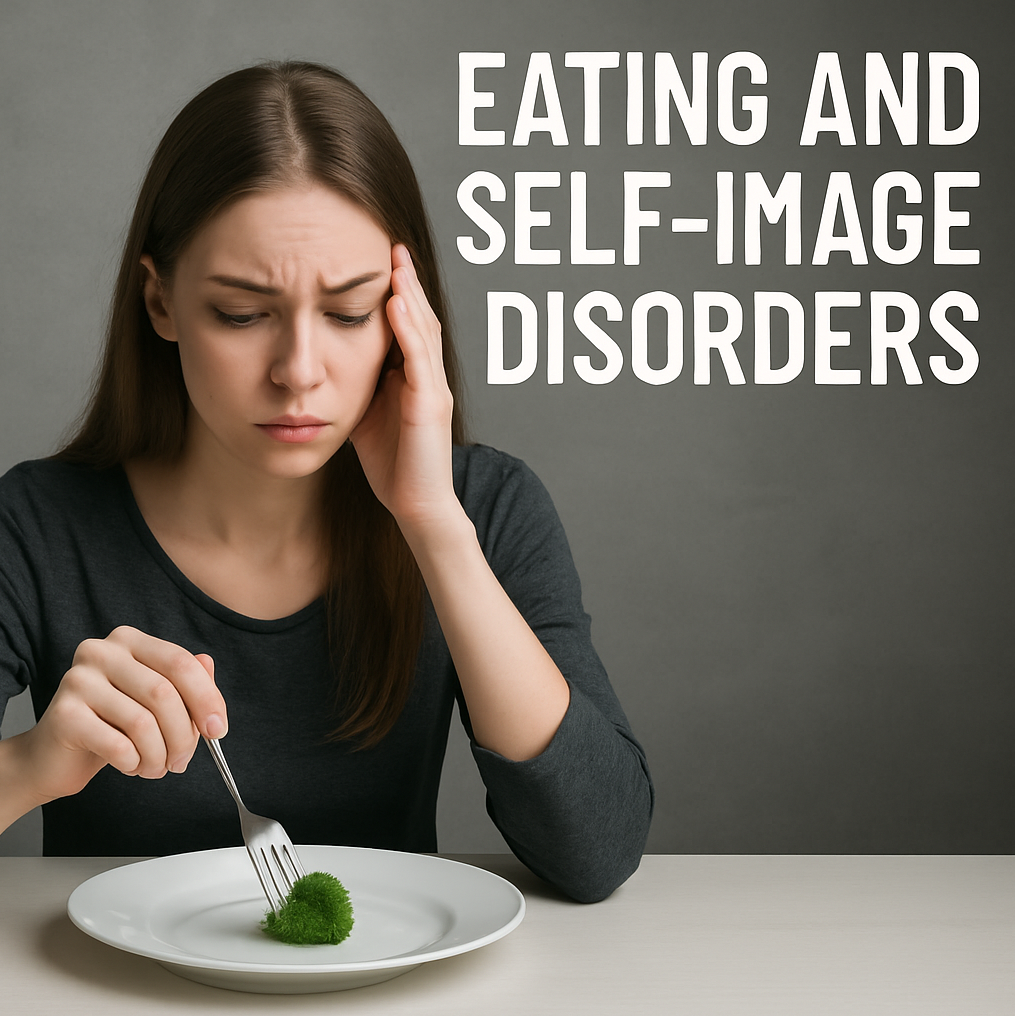
Understanding the Connection Between Body Image and Eating Disorders
Body image is a deeply personal perception, shaped by a complex interplay of cultural, social, and individual factors. It transcends mere physical appearance, encompassing how we feel about and relate to our bodies on a daily basis. When body image skews toward the negative, it can become a significant risk factor for the development of eating disorders. The pressure to conform to societal standards—often perpetuated by media and peer influences—can distort self-perception, leading to unhealthy relationships with food.
Eating disorders such as anorexia nervosa, bulimia nervosa, and binge-eating disorder frequently stem from this distorted body image. Individuals may internalize the belief that their self-worth hinges on achieving a certain body shape or weight, prompting restrictive eating, obsessive calorie counting, or cycles of binging and purging. The psychological distress that accompanies these behaviors often reinforces the negative body image, creating a vicious cycle that is challenging to break.
The Role of Societal and Psychological Factors
- Societal Pressure: Constant exposure to idealized body types in advertising and social media can fuel dissatisfaction and unrealistic expectations.
- Personal Experiences: Negative comments about appearance, bullying, or trauma can imprint lasting insecurities.
- Psychological Vulnerabilities: Low self-esteem, perfectionism, and anxiety increase susceptibility to both body image issues and disordered eating.
Recognizing this intricate connection is the first step in fostering a healthier relationship with both food and body image, setting the stage for lasting positive change.
Recognizing Unhealthy Patterns in Self Image
Understanding the roots of an unhealthy self-image is the first crucial step toward fostering a positive relationship with food and your body. Many people unknowingly develop negative perceptions of themselves, often influenced by societal pressures, unrealistic beauty standards, or personal experiences. These influences can manifest in subtle ways, shaping daily thoughts and behaviors that reinforce self-criticism or dissatisfaction.
Common Signs of Negative Self-Image
- Constant Self-Criticism: Frequently focusing on perceived flaws, whether related to body weight, shape, or eating habits, can erode self-esteem over time.
- Comparisons with Others: Regularly comparing yourself to friends, family members, or social media influencers often leads to feelings of inadequacy or failure.
- All-or-Nothing Thinking: Viewing food choices or body image in extremes—such as labeling foods as “good” or “bad,” or feeling like a failure after one indulgence—can perpetuate unhealthy cycles.
- Emotional Eating Patterns: Using food to cope with emotions like stress, sadness, or boredom may signal a deeper struggle with self-perception.
Building Awareness
Recognizing these patterns is empowering. By observing your internal dialogue and behaviors without judgment, you lay the groundwork for lasting change. Awareness allows you to challenge distorted beliefs, replace negativity with compassion, and begin the journey toward a healthier relationship with food and your body. This conscious shift is essential before moving forward to adopt more nurturing habits and perspectives.
Practical Steps to Build a Positive Relationship with Food
Transforming your relationship with food begins with intentional, mindful actions that foster self-compassion and respect. Rather than adhering to restrictive diets or viewing foods as inherently “good” or “bad,” focus on nurturing a balanced, flexible approach that honors both your body’s needs and your enjoyment of eating.
Embrace Mindful Eating
Start by practicing mindful eating, which involves paying attention to your body’s hunger and fullness cues. Take time to savor each bite, notice flavors and textures, and eat without distractions. This conscious approach not only enhances your appreciation for food but also helps prevent overeating and emotional eating.
Challenge Food Rules
Many people struggle with rigid food rules that create guilt or anxiety around eating. Challenge these rules by allowing all foods a place in your diet. Instead of labeling certain items as off-limits, recognize that variety supports both physical health and emotional well-being.
Focus on Nourishment, Not Deprivation
Shift your mindset from restriction to nourishment. Prioritize meals that make you feel energized and satisfied, rather than succumbing to trends that promote deprivation. Remember, healthy eating is about consistency and balance, not perfection.
- Plan regular meals and snacks to avoid extreme hunger.
- Include a mix of proteins, fats, and carbohydrates for sustained energy.
- Allow yourself to enjoy treats without guilt or shame.
By integrating these practical steps, you can build a sustainable, positive relationship with food—one rooted in respect, enjoyment, and holistic health.
Nurturing Body Acceptance and Self Compassion
Body acceptance forms the bedrock of a positive relationship with food and a healthy self-image. Embracing your body as it is, rather than how you wish it could be, allows for a more compassionate approach to self-care. This shift in perspective is not about ignoring your aspirations or health goals, but about valuing yourself regardless of size, shape, or perceived imperfections. By cultivating self compassion, you begin to treat yourself with the same kindness, patience, and understanding that you would offer a close friend.
Embracing Your Unique Physicality
Everyone’s body is distinct, shaped by genetics, environment, and countless lived experiences. Recognizing and honoring these differences can free you from the unrealistic expectations set by societal standards and media portrayals. Instead of focusing on comparison, redirect your attention to appreciating the strengths and capabilities your body offers. This might mean celebrating your energy, flexibility, or the simple joy of movement.
Practicing Self Compassion Daily
- Mindful Self-Talk: Notice negative thoughts about your body and gently replace them with affirming, supportive statements.
- Gratitude Practices: Reflect on what your body allows you to experience each day, fostering a sense of appreciation.
- Forgiveness: Release guilt or shame attached to eating habits or appearance, understanding that imperfection is part of being human.
By nurturing body acceptance and self compassion, you pave the way for a more peaceful, respectful relationship with both food and yourself. This foundation supports lasting well-being and sets the stage for positive change in all aspects of life.
Seeking Support and Resources for Lasting Change
Embarking on a journey to improve your relationship with food and body image is rarely a solitary endeavor. The process is laden with emotional nuances, societal pressures, and ingrained beliefs that can make meaningful change feel overwhelming. Recognizing when to seek support and identifying valuable resources is a crucial step in fostering sustainable transformation.
Professional guidance can offer clarity and practical strategies tailored to your unique needs. Registered dietitians, therapists specializing in eating disorders, and body-positive coaches bring expertise that helps unravel complex emotions and habits. These professionals can help you reframe distorted thoughts about food and body image, empowering you to build a healthier perspective free from guilt and shame.
Building a Supportive Community
- Peer Groups: Joining support groups—either in person or online—connects you with individuals who share similar struggles and victories. This camaraderie fosters a sense of belonging and reduces feelings of isolation.
- Educational Resources: Books, podcasts, and reputable websites offer practical tools and inspiring stories. These materials can deepen your understanding and provide daily motivation.
- Family and Friends: Enlisting the encouragement of loved ones creates an environment where positive changes are acknowledged and celebrated, further reinforcing your progress.
Lasting change flourishes when you surround yourself with support and reliable resources. By reaching out, you lay the foundation for a compassionate journey toward a healthier relationship with both food and your body, setting the stage for ongoing growth and self-acceptance.
Solid article. No fluff, just value.